

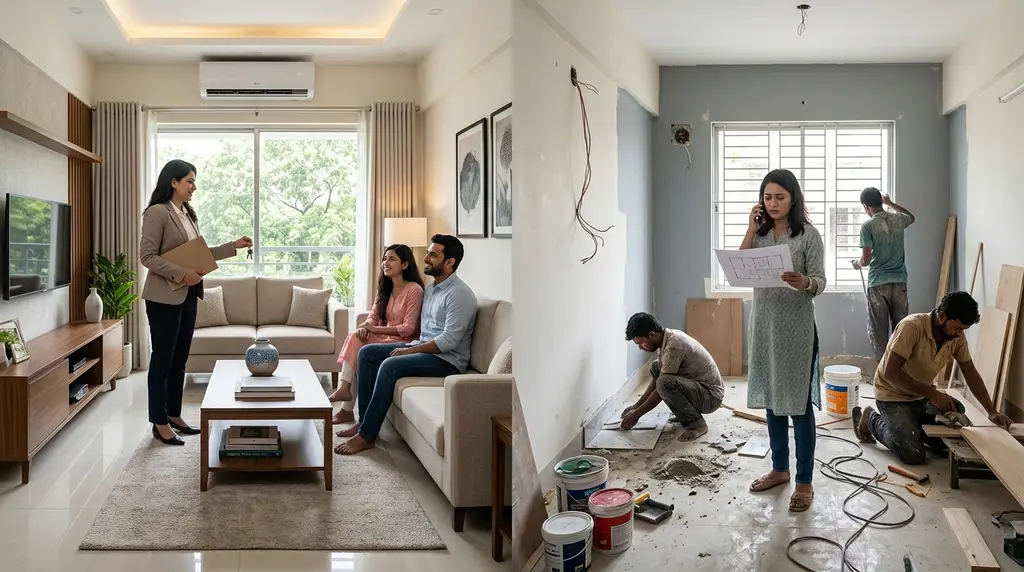
Why this decision matters in Bangladesh
Whether you’re fitting out a new apartment in Dhaka, renovating a family home in Chattogram, or preparing a small office in Uttara, the biggest early decision is often not the color palette—it’s the delivery model. You can either choose a turnkey interior solution (one team handling the full scope) or hire separate vendors for design, carpentry, painting, electrical, false ceiling, glass/aluminum, upholstery, and décor. Both can work in Bangladesh, but the difference shows up quickly in cost control, timeline, accountability, and the final finish quality.
What “turnkey interior solution” means (practically)
A turnkey interior solution typically includes everything from concept to handover under one coordinated contract. That usually means interior design, space planning, 3D visualization, material selection, BOQ/budgeting, project management, and on-site execution. The same provider arranges core trade work such as modular kitchen, wardrobe and cabinetry, TV unit, gypsum/POP false ceiling, wall paneling, painting/polish, lighting layout, electrical rewiring or point shifting, plumbing adjustments, tiles/stone, glass partitions, aluminum works, curtains/blinds, and final styling.
In Bangladesh, turnkey often also covers procurement—getting boards, laminates, fittings, sanitaryware, lights, hardware, and appliances to site on time—and coordinating delivery constraints like narrow staircases, lift rules, and limited unloading windows in busy areas.
Option A: Turnkey interior solution (single accountable team)
Cost profile
Turnkey packages can look slightly higher on paper because they include project management, supervision, and risk buffers. But many homeowners and business owners end up spending less overall because the plan is optimized upfront and waste is reduced. A proper BOQ, shop drawings, and execution schedule prevent repeated rework—like redoing false ceiling after changing lighting points, or damaging newly painted walls while installing cabinets.
- More predictable budgeting: A consolidated estimate for carpentry, electrical, painting, ceiling, and décor reduces “surprise” add-ons.
- Better procurement pricing: Established interior design firms often have supplier networks for boards, laminates, hardware, tiles, and lighting.
- Change orders are clearer: If you add a walk-in closet, a feature wall, or upgraded fittings, the cost impact is calculated and documented.
Risk profile
The primary advantage is accountability. One team is responsible for measurement accuracy, coordination between trades, and handover quality. If a kitchen cabinet clashes with a window or an AC line, you don’t have to mediate between a carpenter and an AC technician who blame each other. The project manager resolves it.
- Lower coordination risk: Electrical points, lighting design, and false ceiling layouts are aligned before work starts.
- Less schedule slippage: Overlapping activities are sequenced properly (e.g., wiring before ceiling closing, primer before final paint, hardware after polishing cure).
- Documentation helps: 3D design, material boards, and drawings reduce misunderstandings on site.
Quality profile
Quality improves when there’s a single standard and inspection checklist across trades. Turnkey teams are more likely to control edge-banding quality, laminate alignment, carcass thickness, hinge selection, drawer channel performance, paint finish consistency, and the way lighting is integrated into ceilings and feature walls.
- Design consistency: The living room TV unit, wall paneling, and lighting work as one composition, not separate decisions.
- Finishing control: Touch-ups, silicone sealing, alignment, and snag fixing are handled before handover.
- Warranty clarity: If a cabinet door sags or a light flickers, you know who to call.
Option B: Hiring separate vendors (DIY management)
Cost profile
Working with individual vendors can feel cheaper at the start. You can negotiate each line item and choose a different person for each job. If you already have reliable workers—your own carpenter, electrician, and painter—this approach may deliver savings. However, in Bangladesh it’s common for the “low quote” to grow once site realities appear: leveling issues, extra plywood, additional electrical points, hidden dampness, or last-minute design changes.
- Lower upfront quotes: Especially if you skip formal design and 3D views.
- Higher hidden costs: Rework, material wastage, and idle labor when one vendor delays another.
- Payment fragmentation: Multiple advances and milestone payments increase cashflow complexity.
Risk profile
Your biggest risk becomes coordination. Even if each vendor is honest, their scopes often overlap: the carpenter needs final floor level; the painter needs carpentry done; the electrician needs the lighting plan; the false ceiling team needs confirmed cutouts. When nobody “owns” the whole picture, delays and finger-pointing are common.
- Single point of failure: If one vendor disappears mid-project, everything stalls.
- Inconsistent supervision: Unless you can be on-site daily, mistakes get covered up and discovered later.
- No unified schedule: Your renovation can stretch weeks longer than planned, especially around Eid and peak wedding/flat handover seasons.
Quality profile
Quality can be excellent with separate vendors—if you have strong technical knowledge and time to inspect work. But the finish often becomes inconsistent: cabinet color tone doesn’t match wall panels, lighting temperature clashes with paint shade, or door alignment is “good enough” because the carpenter is rushing to another job.
- Different standards: Each vendor follows their own methods and tolerances.
- Design compromises: Without detailed interior design and drawings, the final look can drift from your inspiration.
- After-service gaps: If problems appear later, vendors may blame other trades.
Side-by-side comparison: cost, risk, quality
- Cost: Turnkey is often more predictable; separate vendors can be cheaper upfront but more exposed to rework and add-ons.
- Risk: Turnkey reduces coordination and timeline risk; separate vendors shift that risk to you.
- Quality: Turnkey supports consistency through drawings, supervision, and snag fixing; separate vendors can match quality only with strong on-site control.
When turnkey makes the most sense in Bangladesh
A turnkey interior solution is typically the best fit if you want a fixed timeline for move-in, you live abroad or stay busy with work, the site is complex (full apartment renovation, kitchen + wardrobes + ceiling + electrical), or you want a cohesive modern look. It’s also helpful when you need formal interior design, space planning, and 3D visualization before spending on materials.
For commercial projects—small offices, showrooms, cafés—turnkey is often safer because branding details, lighting, electrical load planning, and fast handover matter.
When separate vendors can work well
Hiring separate vendors can work if the scope is small (just painting and minor carpentry), you already have a trusted carpenter or electrician, and you can supervise measurements, material selection, and daily progress. It also suits homeowners who enjoy procurement and negotiating and can accept a flexible timeline.
How to decide quickly: 6 questions to ask
- Do I have time to manage daily site work? If not, turnkey project management is worth it.
- Is the design finalized? If you need layout changes, storage planning, or a modern ceiling/lighting concept, start with professional interior design and 3D.
- How strict is my move-in date? Tight deadlines favor turnkey coordination.
- How many trades are involved? The more trades (kitchen, wardrobe, false ceiling, electrical, paint), the higher the coordination risk.
- What quality level do I expect? Premium finishing usually needs drawings, supervision, and snag lists.
- Do I want one warranty contact? Turnkey provides simpler after-service.
Bottom line
If your priority is predictability—budget, timeline, and a consistent finish—a turnkey interior solution in Bangladesh usually offers better overall value because it combines interior design, detailed drawings, procurement, and execution under one accountable team. If your priority is lowest initial cost and you can supervise closely, separate vendors can work, but you’re taking on the project manager role yourself.
If you’re exploring a full home or office fit-out, it’s worth discussing your scope with an interior design team that can handle space planning, 3D design, modular kitchen and wardrobe work, false ceiling and lighting, painting, electrical and plumbing adjustments, and final handover—so you can compare a clear turnkey proposal against the vendor-by-vendor route.
Explore more on Full-Home Turnkey Packages
About the author
Daniel runs day-to-day operations, pricing, and vendor coordination so projects stay profitable and predictable. He builds repeatable processes for proposals, timelines, procurement, and site-ready deliverables. He’s known for calm client communication and clean documentation that contractors can actually use. …
Leave a comment