

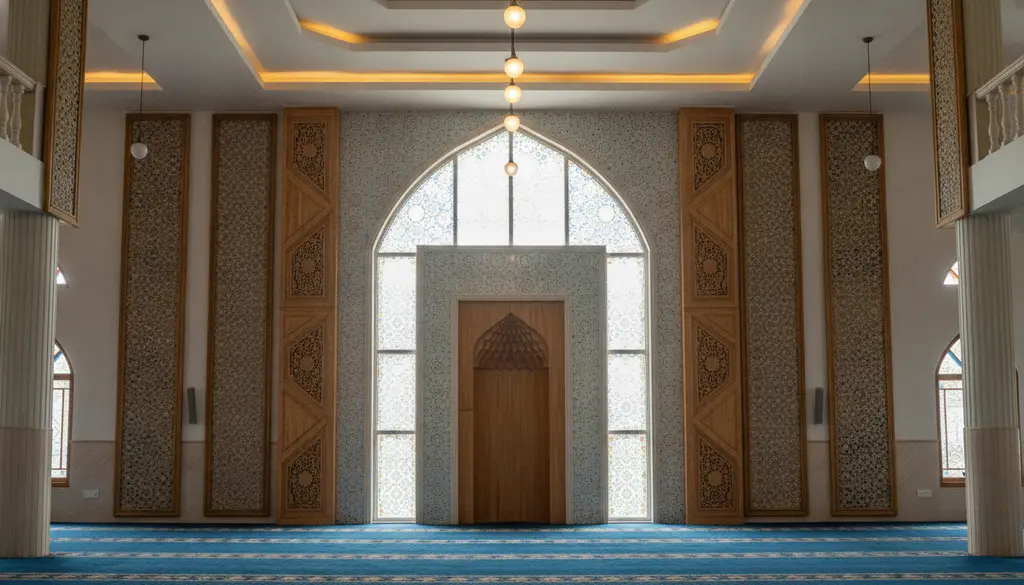
Designing a mosque interior in Bangladesh without overspending
Mosque interior design in Bangladesh has a special challenge: it needs to feel calm, dignified, and welcoming, while also handling heavy daily footfall, heat and humidity, and strong acoustics during salah and khutbah. The good news is you can achieve a beautiful, durable result on a realistic budget if you plan three things early: the mihrab wall, acoustic treatment, and a lighting layout that supports both prayer and cleaning.
At our Interior Design service in Bangladesh, we typically start with a quick site measurement, congregation capacity check, and a simple concept layout. From there, we develop a practical scope—space planning, 3D views for the committee, material selection, BOQ/cost estimate, contractor coordination, and final site supervision. When these tasks are handled upfront, costly “redo work” drops dramatically.
Mihrab wall ideas that look premium and stay practical
The mihrab is the visual anchor of the prayer hall. In Bangladesh, many mosques over-invest in heavy ornamentation and under-invest in durability and lighting. A better approach is to pick one strong design language and execute it cleanly.
1) Layered arches with simple geometry
Instead of deep, expensive carving everywhere, create a layered arch profile using gypsum board (or moisture-resistant board where needed) over a proper frame. Add one or two “steps” of depth to cast soft shadows. This reads as premium even in modest budgets because it’s all about crisp lines and symmetry.
2) Feature panel behind the imam with local materials
Consider a central feature strip behind the mihrab:
- Stone-look porcelain tiles (easy to clean, consistent finish, good for humid areas).
- Textured paint in a warm off-white or sand tone (budget-friendly and calming).
- Wood-tone HPL/laminate on MDF (use carefully—keep away from damp corners and ensure proper sealing).
We often design the mihrab wall as a “composition”: center feature + side pilasters + subtle border line. This keeps materials limited, which keeps costs controlled.
3) Calligraphy and pattern: fewer, larger, better
If you’re adding Arabic calligraphy or geometric patterns, go for fewer, larger elements instead of many small ones. Large-scale calligraphy in a single color (gold, bronze, or deep green) on a matte background looks elegant and is easier to execute accurately. For committees worried about maintenance, we recommend durable finishes and a simple cleaning plan as part of the material specification.
4) Smart integration: niches, shelves, and wiring
Small functional add-ons make a big difference: a hidden cable route for microphone/clock wiring, a neat shelf for the Qur’an near the imam area, and a clean junction for speaker placement. During our design development, we coordinate with the electrical and sound teams so the mihrab wall doesn’t get cut later.
Acoustic panels that improve clarity (not just reduce echo)
Many prayer halls in Bangladesh suffer from harsh echo—especially with hard tiles, high ceilings, and large open spans. The goal isn’t to make the hall “quiet”; it’s to make speech clear and comfortable at different prayer times. Done right, acoustic work can reduce feedback, lower volume requirements, and make khutbah understandable from the back rows.
Where acoustics matter most
- Front zone: around the mihrab and minbar area, where speech originates.
- Ceiling plane: large reflections from flat concrete slabs cause long reverb.
- Rear wall: strong bounce-back hits the imam’s microphone and creates muddiness.
Budget-friendly acoustic panel options
Acoustic treatment doesn’t need to look like a recording studio. We specify mosque-appropriate solutions that blend with traditional design:
- Fabric-wrapped acoustic panels on side/rear walls in neutral tones. These can be framed to match the mihrab geometry.
- Perforated gypsum/wood-look panels with acoustic backing, used as decorative bands.
- Acoustic baffles or rafts in selected ceiling zones when the height is sufficient.
For a controlled budget, we typically propose “targeted coverage” instead of full-wall treatment. Even 20–35% coverage in the right locations can noticeably improve clarity. As part of our Interior Design scope, we coordinate acoustic zoning with the speaker layout so you get results without overspending.
Don’t forget practical constraints
In Bangladesh, dust, humidity, and ceiling fan airflow are real issues. Choose finishes that can be vacuumed or wiped, and avoid overly delicate fabrics. We also recommend leaving access points for maintenance of wiring, fans, and light drivers—this is often missed in mosque projects.
Lighting plan that supports prayer, beauty, and maintenance
Lighting is where many mosques lose money: too many fixtures, wrong color temperature, uneven brightness, and difficult maintenance. A good lighting plan is not about making the hall “bright”; it’s about making it evenly lit, glare-free, and serene.
1) Use layered lighting, not one big chandelier only
- Ambient lighting: evenly spaced downlights or linear lights for the main hall.
- Feature lighting: soft wall-wash on the mihrab wall to highlight the focal point.
- Perimeter/cove lighting: gentle glow to reduce harsh shadows and make the space feel larger.
A chandelier can still be used, but it should be part of a system—not the only source. In our lighting design task list, we prepare a fixture layout, circuit plan, and switching strategy so different zones can be used for Fajr, Jummah, and cleaning.
2) Choose the right color temperature for Bangladesh mosques
Most prayer halls look best around 3000K to 4000K. Warmer tones (around 3000K) feel calm and traditional; neutral white (around 4000K) improves readability and looks clean. The key is consistency—mixing random bulbs and brands creates patchy color and a cheap look.
3) Glare control matters more than high wattage
High-glare LEDs can feel uncomfortable during salah, especially when people look slightly upward. We recommend deeper recessed fixtures, diffusers, or indirect lighting near the mihrab. If the ceiling height is limited, use wider beam angles and more moderate output instead of fewer “very powerful” lights.
4) Budget tip: invest in fewer, better drivers and predictable brands
Cheaper fixtures often fail early, and replacing them in a high ceiling becomes expensive. A practical budget strategy is to standardize a small set of reliable fixtures and drivers and keep spares. Our BOQ and procurement support service helps committees compare lifetime cost, not just purchase price.
A simple, committee-friendly process that avoids rework
Many mosque projects stall because decisions are made in pieces. We recommend a straightforward workflow:
- Site survey & measurement: confirm prayer rows, entrances, shoe area, and ventilation constraints.
- Concept design: mihrab wall theme, color palette, and overall style direction.
- Acoustic & lighting coordination: panel zones, speaker points, fixture layout, and switching.
- Material finalization: durable finishes suitable for Bangladesh climate and cleaning routines.
- BOQ/cost estimate: transparent budget tiers so donors and committee members can agree.
- Execution & supervision: shop drawings, contractor briefings, and site quality checks.
If you’re planning a new mosque or renovating an existing prayer hall, we can help with complete mosque interior design—space planning, mihrab wall design, acoustic panel integration, and a lighting plan that fits your budget and is easy to maintain long-term.
About the author
Daniel runs day-to-day operations, pricing, and vendor coordination so projects stay profitable and predictable. He builds repeatable processes for proposals, timelines, procurement, and site-ready deliverables. He’s known for calm client communication and clean documentation that contractors can actually use. …
Leave a comment